Is Cape Town safe for tourists?
Last verified: 28 August 2026.
Cape Town is often described both as “the greatest city in the world” and as "one of the world’s most dangerous cities". Those two statements aren’t mutually exclusive — they reflect context, not contradiction. If you live in a major city anywhere in the world, you already understand this dynamic: large cities inevitably contain neighbourhoods that are perfectly safe alongside others you wouldn’t step into. Cape Town is no different.
There is no benefit in being naïve, and there is no benefit in being alarmist — what matters is being properly informed.
Governments such as the U.S. Department of State travel advisory for South Africa and the UK Foreign Office travel advice for South Africa publish guidance that is useful to review before you go. These pages are written for broad national coverage and tend to emphasise worst-case scenarios rather than the lived experience of typical visitors. That means they may not reflect current conditions on the ground for Cape Town specifically.
For example, some official guidance still mentions scheduled power cuts (“load shedding”), but South Africa has not experienced load shedding anywhere in the country since March 2025. Load shedding is not an ongoing disruption in Cape Town as of February 2026.
Official US and UK Government Travel Advice:
Yes, South Africa’s overall crime statistics are high when viewed at the national level. However, crime in Cape Town is heavily concentrated in specific areas far from the neighbourhoods tourists stay in or explore. Areas popular with visitors — such as the City Bowl, Atlantic Seaboard, V&A Waterfront and similar zones — are generally well-policed and accustomed to international tourism.
Most violent crime in Cape Town occurs between people who already know each other. For travellers sticking to the well-known parts of the city and following basic precautions, it is rare for a tourist to be the victim of serious crime.
The key is not fear. The key is situational awareness, informed choices, and understanding where — and where not — to go.
Unfortunately the international airport is sited in the midst of this "no-go" area because the shanty towns have sprung up around the airport. This area was unused, undesirable land because of the noise from the airport. There are no notable tourist attractions in this third of the city.
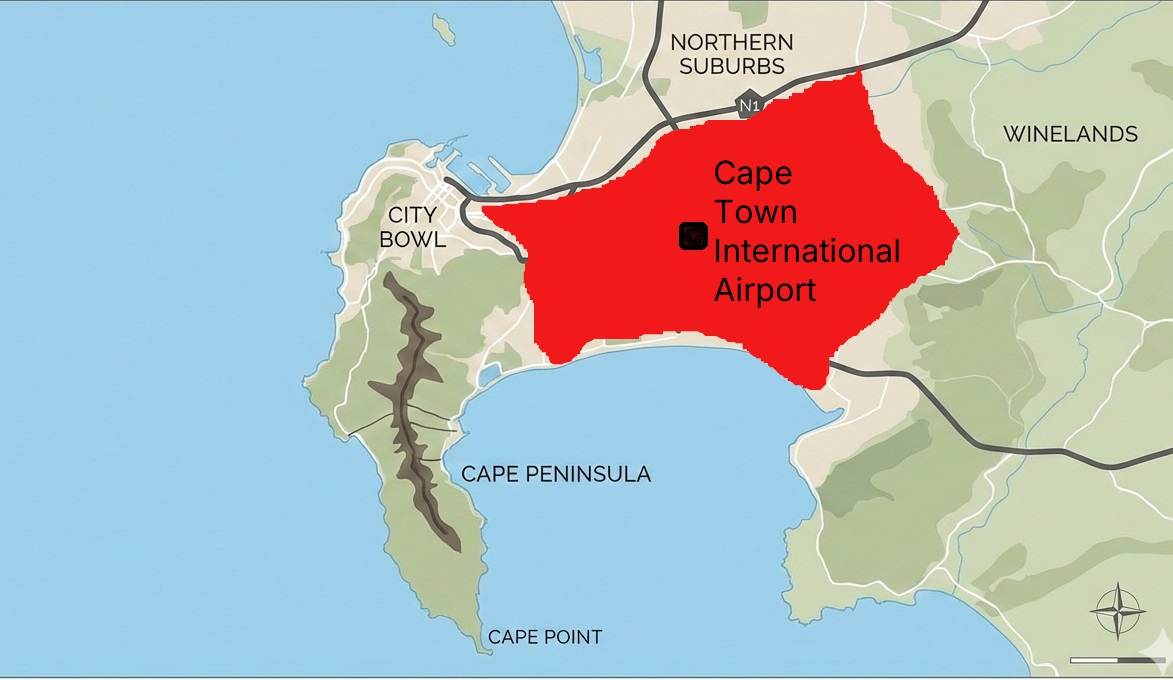
The red area on the map is to be avoided by tourists except for when using the airport or driving south-eastward out of the city.
In 2025 the permanent population of Cape Town surpassed 5 million people. Like any city that size it attracts people for a variety of reasons. When their expectations are not fulfilled they become desperate and some turn to a life of crime. The so-called "townships" to the south-east of the city centre are places of grinding poverty with unemployment at 50%. A few townships are now so dangerous that emergency services such as ambulances and the fire brigade refuse to attend calls there.
This does not mean that the rest of the city is crime-free; crimes of opportunity happen wherever people carelessly show off their wealth and drop their guard. The sites that tourists visit are amongst the safest in the city because there is good private security at such places. In South Africa today the private security industry employs more people than the national police service.
In the middle-class and wealthy suburbs of Cape Town (and most of South Africa) homeowners usually pay monthly to a private security company to patrol the neighbourhood and come to a customer's assistance if needed. They are called "armed response" and, yes, they are armed. These tough men are usually ex-police or ex-army. You will see their vehicles parked in a shady spot with the name of their company on the side of the vehicle. They operate around the clock on a shift basis. Criminals fear them more than the police. If you stay in an AirBnB or other private property your landlord might be contracted to such a company. If so, they will advise you about the security features of the property.
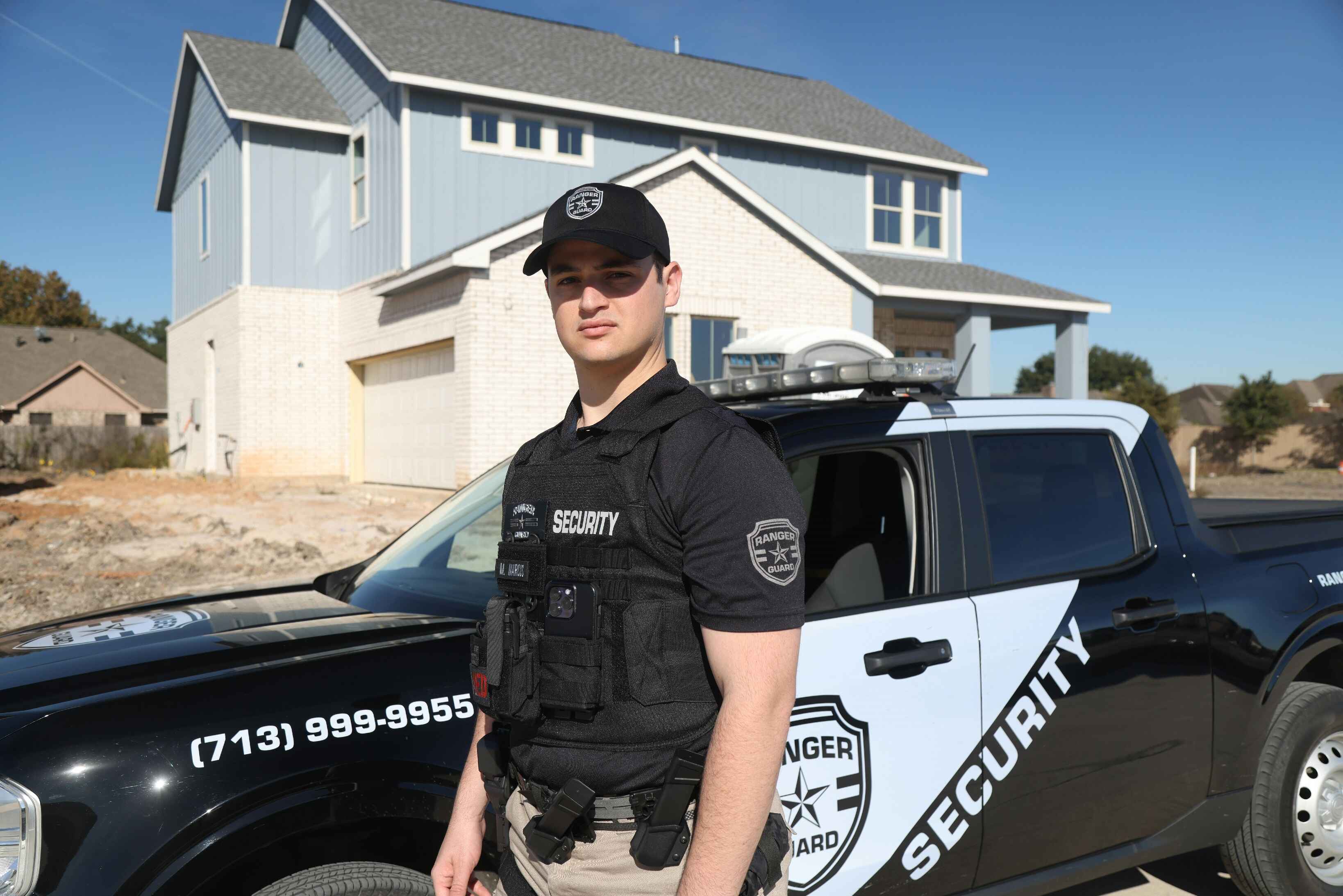
Wealthier neighbourhoods in Cape Town have private "Armed Response" companies, licensed to be armed and trained to deal with any eventuality. They don't like being photographed.
It still behoves any visitor to Cape Town to remain alert to street thugs called "tsotsis" looking for their chance of a quick score. If you look carefully you'll see them on the periphery of the action, in the shade, leaning against something, maybe talking to someone but their eyes are constantly scanning the scene. If a tourist is a victim of crime in Cape Town it is usually involving bag-snatching or pickpocketing.
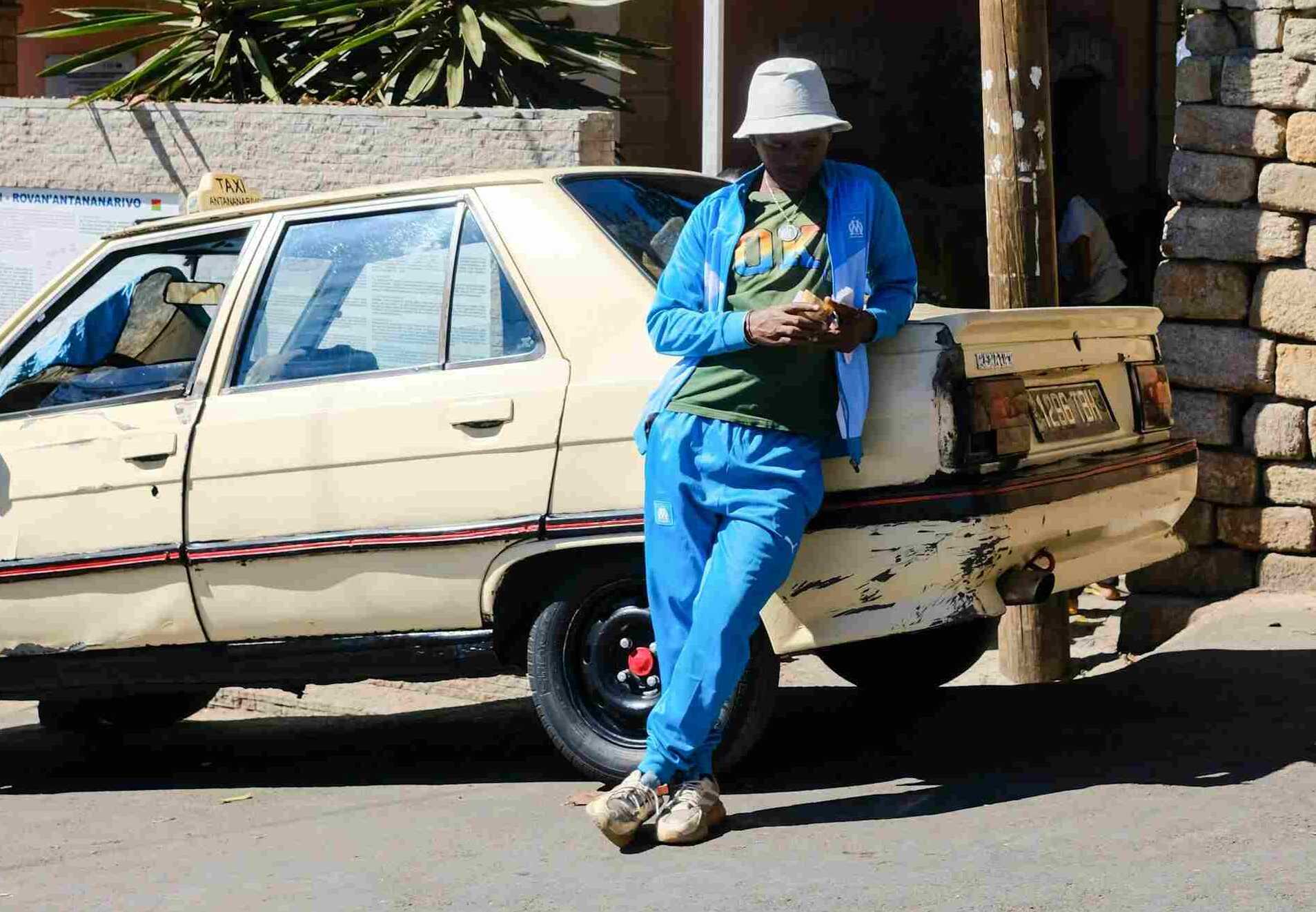
Street thugs and petty criminals in South Africa are called "Tsotsi". They loiter around, looking and waiting to pick a pocket or run off with a bag.
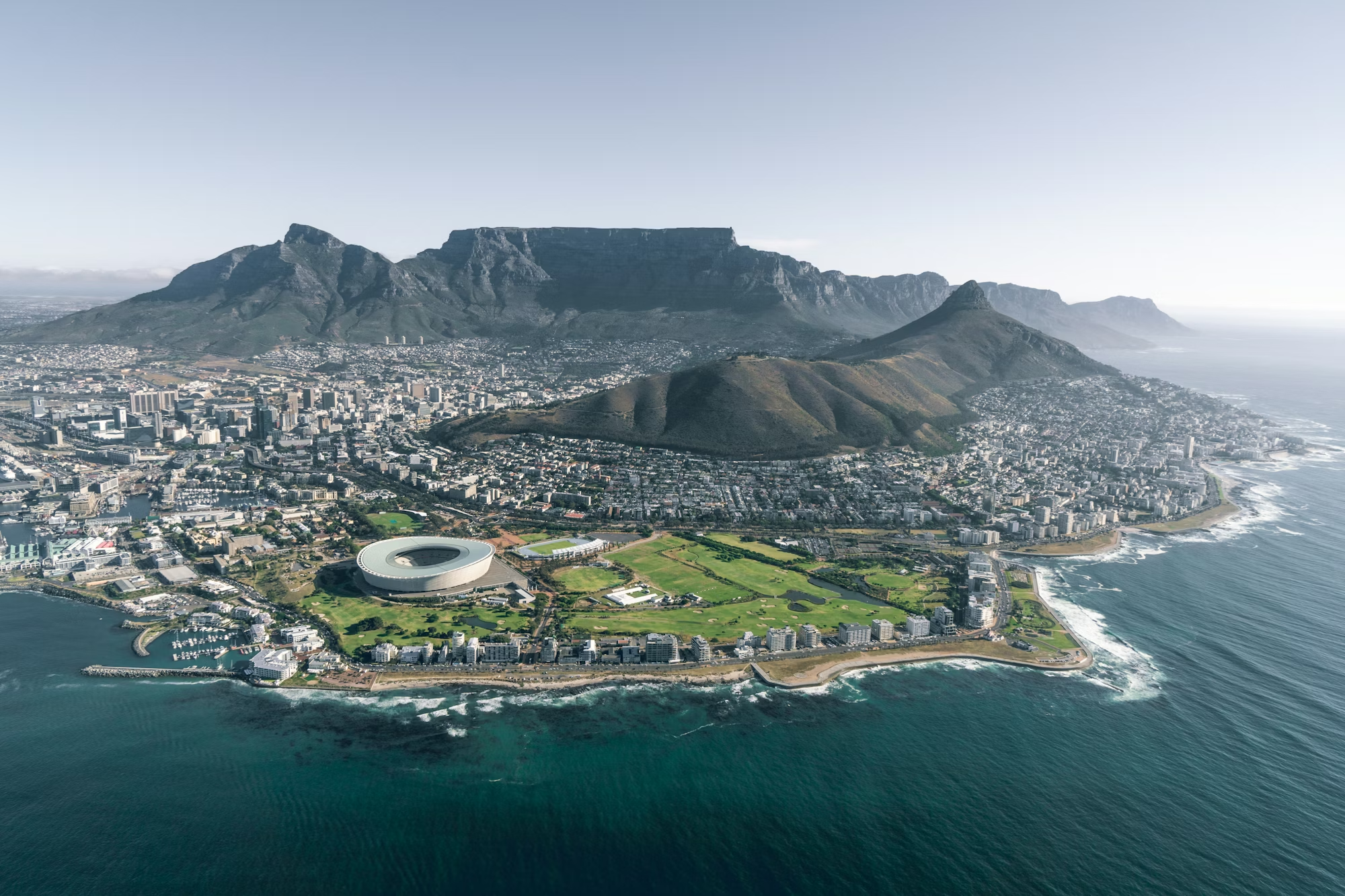
It has been said that the mountain that stretches the length of the peninsula in the west is more of a crime deterrent than any wall a politician could build. On the western side of it are some of the most expensive properties in the southern hemisphere with a luxury lifestyle to match, extravagant parties rage whilst at the same time ten miles away to the east a shoot-out might be happening between the police and gangsters. Such is life in big cities around our planet.
Essential Cape Town Safety Tips — Do Not Ignore
- Do not go into the south-eastern third of Cape Town other than for using the airport.
- As a woman do not go anywhere by yourself.
- Even as a couple, do not walk anywhere at night. A disproportionate percentage of crime happens at night.
- There is a safety in numbers. If you see other tourists standing waiting, join them, not only to strike up a conversation.
- Do not use the informal taxis that look like people-carriers. They are the biggest danger on the roads.
- Do not use either of the train lines nor the train stations.
- Do not use the city's public buses for long distances. If need be in a western-suburb safe area, then just for a few stops. The MyCiti route that runs from the city centre along to the northern coastal suburbs of Milnerton, Table View and Blouberg is okay, but keep your belongings together on your lap and do not use it alone.
- To get around rent a car or use Uber; not any other ride-share service as Uber vets its drivers better. Organized tours are safe to use, but think twice about a "township" tour.
- Do not hike anywhere on your own, not even on the mountain.
- A moneybelt is a good idea for carrying cash. You can pay by card in most places, but don't let the card out of your sight. Card cloning happens too easily and too quickly. The protocol is to say to a waiter, "Bring the machine". That is the signal you want to pay at your table.
- Do not use a cash machine (ATM) that is open to the street; inside a shopping mall or bank is safest. Try to do so during daylight hours. South Africa is becoming a cashless society, but tipping is a daily occurence.
- Be wary of anyone coming up to you. Often they are merely a hawker trying to sell you something, but sometimes it is a scammer trying to get you to come with them on a "tour" or buy something illicit in an alley: where his cronies are waiting for you. Just say "No, thank you" firmly and keep walking.
- When you are in a car, keep your car doors locked and windows up. Keep valuables out of sight and don't leave them in your car when parked.
- Wherever you might be staying, ask about secure parking for your car, especially overnight.
- Comprehensive insurance for your rental car is always a good idea.
- If you are driving at night be especially vigilant when stopping at a red light. Do not be surprised to see a local driver cautiously ignoring the red light. Thus, when you have a green light whilst you're approaching at speed, slow down to look out for someone ignoring their red light.
- It is a feature of life in South Africa for parking areas to have "car guards". These are usually men wearing a high visibility jacket and a hat who ensure that your car is not interfered with whilst you're away from it. They are not a threat to you. Upon arrival you don't have to interact with them but they might greet you. It is customary to give them a R5 coin through your window once you have pulled out of your parking bay.
- Almost every night in parts of Cape Town the national police put up roadblocks. They are mostly looking for drunk drivers, stolen cars and unlicensed drivers. If you are driving you need to have your licence with you, no matter what country you are from. Approach the roadblock slowly, wait until directed to come forward, lower the driver's window, be courteous, all should be ok. If they suspect you are driving under the influence of alcohol, they'll ask you to pull to one side and you'll be breathalysed. As of January 2026 South Africa is moving towards a zero alcohol policy for drivers.
Once you know where and how to be safe, then you're free to enjoy the natural beauty and other things that attracted you, and at ease to enjoy South Africa's secret beauty: its people.